


Exploring the Impact of Temperature Variability on Lithium Iron Phosphate Battery Efficiency
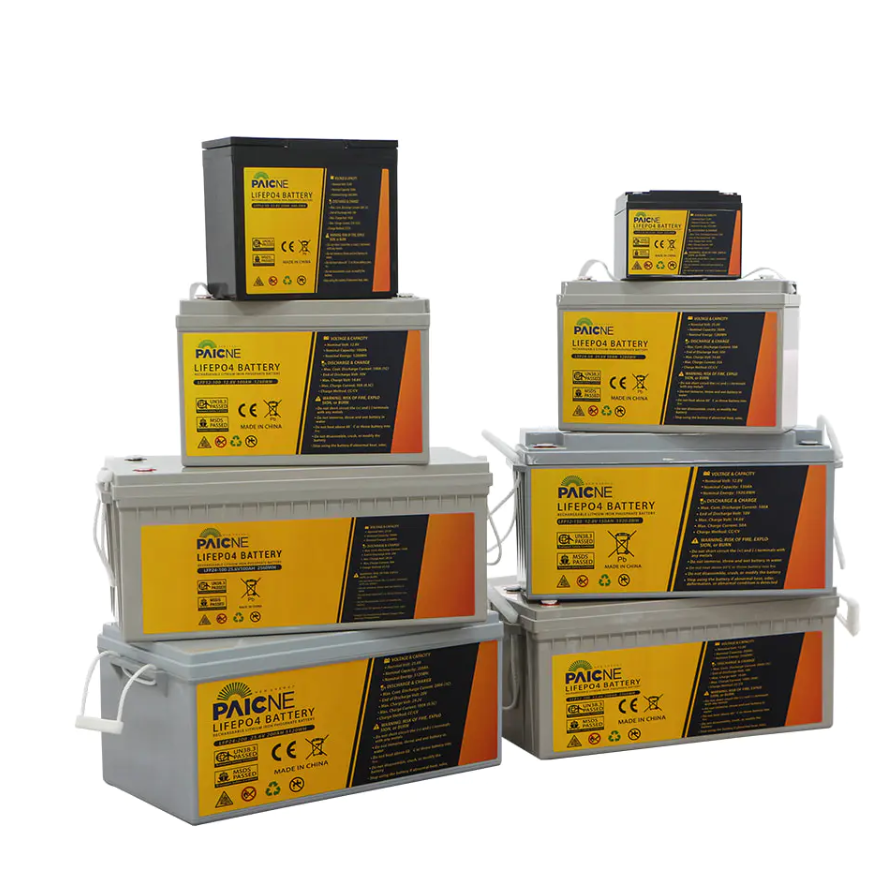
The performance of Lithium Iron Phosphate Battery is a critical factor in determining their suitability for various applications, especially in regions with extreme temperature fluctuations. These batteries, known for their safety, long life, and sustainability, are often preferred over other chemistries for their ability to operate in demanding conditions. This article delves into how the Lithium Iron Phosphate Battery responds to different temperature environments, a key consideration for their operational effectiveness.
The Lithium Iron Phosphate Battery is constructed with an iron phosphate cathode and a lithium iron phosphate anode, which contributes to its robustness against thermal stress. Unlike other lithium-ion batteries, LFP batteries exhibit a flatter discharge curve, which means they can deliver consistent power output across a wide temperature range. This characteristic is particularly valuable in applications such as electric vehicles, where the battery may be subjected to varying ambient temperatures.
At low temperatures, the Lithium Iron Phosphate Battery demonstrates superior performance compared to other lithium-ion chemistries. It can still deliver a significant portion of its capacity at temperatures as low as -20°C, which is crucial for electric vehicles operating in cold climates. The internal resistance of LFP batteries increases slightly with decreasing temperature, but this impact is less pronounced than in other chemistries, allowing for better energy output and less power loss.
Conversely, at high temperatures, the Lithium Iron Phosphate Battery also shows resilience. It can operate effectively up to temperatures of 60°C without significant degradation, making it suitable for use in hot environments. The thermal stability of LFP batteries is attributed to the strong P-O bonds in the iron phosphate structure, which do not decompose easily even under heat. This contributes to the battery's resistance to thermal runaway, a phenomenon where the battery temperature increases uncontrollably, posing safety risks.
However, it is important to note that while the Lithium Iron Phosphate Battery can tolerate a wide range of temperatures, its performance is not immune to extreme conditions. Prolonged exposure to very high or very low temperatures can still lead to a gradual decline in capacity and overall battery health. Therefore, temperature management systems are often employed to maintain an optimal operating environment for LFP batteries, especially in applications where temperature fluctuations are frequent.
In terms of charging, the Lithium Iron Phosphate Battery can be charged at higher rates without the risk of overheating, which is a common issue with other lithium-ion batteries. This characteristic allows for faster charging times, which is beneficial for applications that require quick energy replenishment.
In conclusion, the Lithium Iron Phosphate Battery's performance across different temperatures is a testament to its versatility and reliability. Its ability to maintain functionality in extreme conditions without compromising safety makes it a preferred choice for applications where temperature fluctuations are a concern. However, it is crucial to implement proper thermal management strategies to ensure the long-term health and optimal performance of these batteries. As the demand for energy storage solutions that can withstand diverse environmental conditions grows, the Lithium Iron Phosphate Battery stands out as a robust and dependable option.
Product Features:
1. High energy density: Lithium iron phosphate batteries have a high energy density, providing longer usage time and higher power output.
2. Long life: Lithium iron phosphate batteries use advanced materials and manufacturing processes, resulting in longer service life and the ability to withstand more charge and discharge cycles.
3. High-temperature tolerance: Lithium iron phosphate batteries can operate normally in high-temperature environments without being damaged or reducing performance due to excessive heat.
4. Fast charging: Lithium iron phosphate batteries support fast charging, allowing them to be fully charged in a short time, improving efficiency.
5. Safety performance: Lithium iron phosphate batteries have high safety performance, ensuring no explosion or fire hazards occur, making them safer and more reliable for use.
 Greek
Greek
 English
 Arabic
 French
 Spanish
 Portuguese
 Deutsch
 Turkish
 Dutch
Dutch
 Italiano
 Russian
 Romaian
 Portuguese (Brazil)