


What Is the Difference Between Tubes and Pipes?
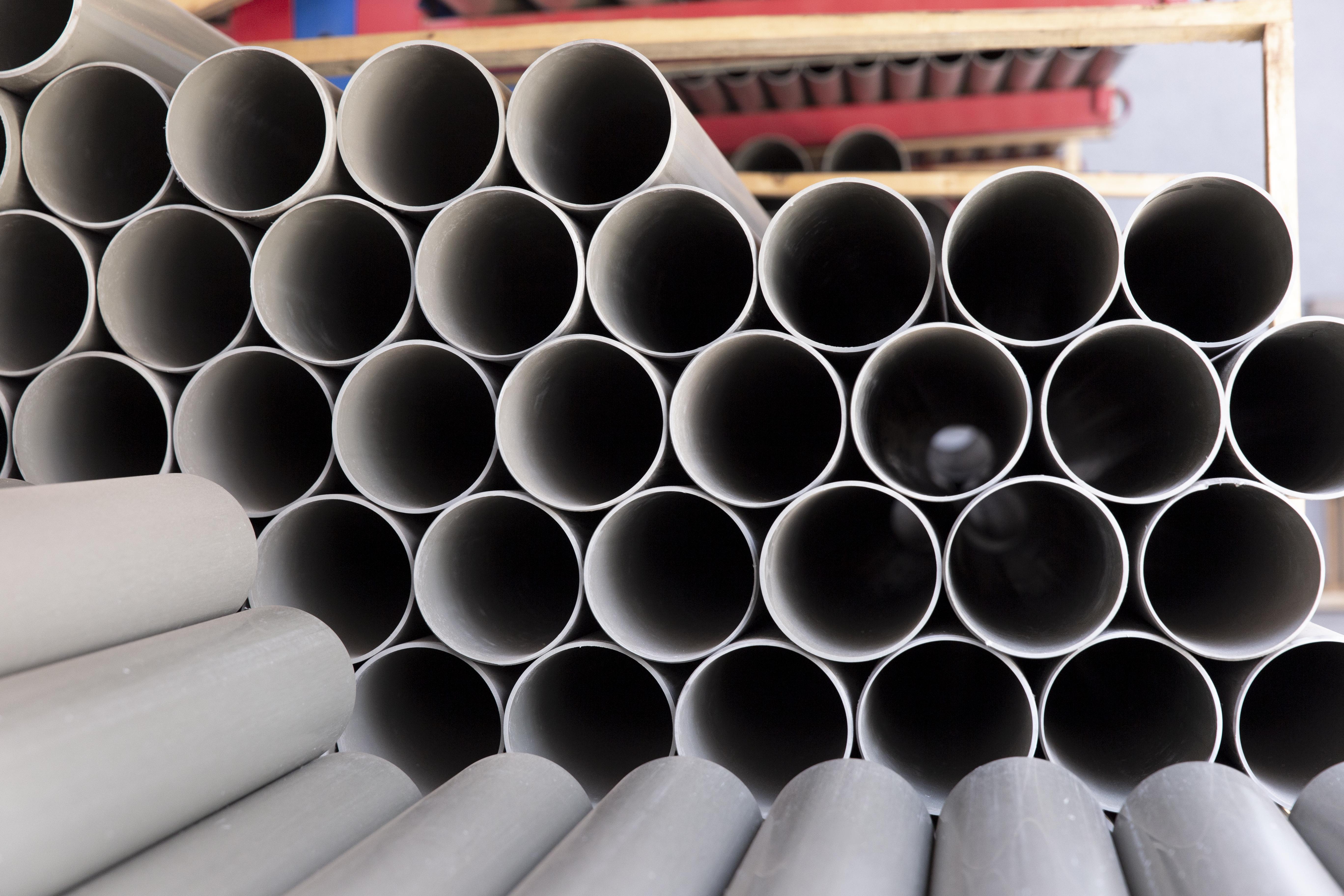
If you work with metal materials, fabrication, construction, or any mechanical system, you know how often people mix up tubes and pipes. At first glance they look almost the same. Both are long, hollow, and strong enough to move fluids or support structures. Still, they are not interchangeable. Each one is made for a different job, and choosing the wrong one can cause performance issues, higher costs, or even safety problems.
This guide breaks everything down in simple terms so you can understand the real difference between tubes and pipes, where each one works best, and how to pick the right option for your project.
The Simple Difference
The fastest way to understand the difference is this:
Pipes focus on carrying fluids. Tubes focus on precision and structural strength.
Pipes are all about flow. Their size revolves around how much liquid or gas they can move. Tubes, on the other hand, are made with exact measurements so they can fit into machinery, frames, and engineered systems where accuracy matters.
How Pipes Are Measured
Pipes are measured in a way that confuses many people at first. Instead of measuring the outside diameter you normally measure the inside diameter, because that is what affects how much fluid can pass through.
A pipe is also assigned a schedule, which tells you the wall thickness. A higher schedule means thicker walls and higher pressure capacity.
Example:
A 2 inch pipe will not actually measure 2 inches on the outside. The measurement is tied to the inner capacity and industry standards, not the real world size.
So when buying pipes, ask yourself:
-
What pressure rating do I need?
-
What flow rate am I trying to achieve?
That mindset puts you on the right path.
How Tubes Are Measured
Tubes are measured by outside diameter and wall thickness, and these measurements must be exact. Tubes are often used in applications where the material must fit perfectly into a design, so even a small variation can cause failure.
You choose tubes based on:
-
Precise dimensions
-
Shape (round, square, or rectangular)
-
Structural strength requirements
Example:
If you are building a steel frame, the outer width of the tube must match the design precisely. Even a small mismatch could prevent proper welding or alignment.
Shape Options
Both products come in many shapes, but the purpose behind each shape is different.
Pipes
Nearly all pipes are round. This shape handles internal pressure more evenly, which matters for water lines, gas lines, and industrial flow systems.
Tubes
Tubes are available in round, square, and rectangular forms. These shapes help builders and manufacturers create everything from support frames to mechanical components.
Manufacturing and Tolerance
Here is where the differences become even clearer.
Pipes
Pipes are made with looser tolerances because small variations do not impact their core job of moving fluid. A pipe that is slightly off in size will still carry water or gas without an issue.
Tubes
Tubes require tight tolerances. This precision ensures they fit properly in structural and mechanical systems. Even a tiny change in diameter or wall thickness can cause problems in engineering environments.
Strength and Performance
While both materials are strong, tubes are often designed for more exact structural loads.
Pipes:
-
Made for pressure and flow
-
Good for plumbing, chemical transport, oil and gas flow, and HVAC systems
Tubes:
-
Made for strength, accuracy, and performance in frames and mechanical structures
-
Common in automotive parts, medical equipment, and industrial machinery
If accuracy and strength are top priorities, tubes are usually the better choice.
Cost Difference
Pipes are generally less expensive because they do not require the same level of precision during manufacturing. Tubes cost more due to tighter tolerances, shape options, and quality control.
Knowing this helps you avoid unnecessary spending. Do not buy tubes for a job that only needs pipes, and do not choose pipes for a job that demands exact dimensions.
Examples to Make It Clear
Example 1: Building a Handrail
You would likely use tubes. They are cleaner, more precise, and easier to weld for structural work.
Example 2: Running Water Lines
You would use pipes. They are built for fluid movement and rated for pressure.
Example 3: Automotive Components
Tubes are the winner here. Suspension parts, frames, and support elements require tight engineering tolerances.
Example 4: Industrial Steam Line
A pipe is the right call because it is designed to handle flow and pressure at scale.
These simple examples show why the difference matters in real projects.
When to Choose Each One
Choose Pipes When:
-
You need to transport liquids or gas
-
Pressure rating matters
-
Cost efficiency is important
-
Exact outer dimensions are not a big concern
Choose Tubes When:
-
Structural strength is required
-
Exact sizing matters
-
Aesthetic appearance matters
-
You need square or rectangular shapes
Why The Right Choice Matters
Choosing between tubes and pipes impacts:
-
Safety
-
Fit and performance
-
Cost
-
Durability
-
Compliance with industry codes
Making the correct choice from the start avoids rework and keeps your project on track.
The Role of Trusted Suppliers
Quality varies across the industry, which is why working with a reliable team matters. Companies like Infinite Global understand the unique requirements behind both tubes and pipes and help match the right materials to your application. Having expert guidance reduces risk and keeps your project aligned with industry standards.
Ready To Get Your Material Selection Right?
If you want support choosing the best option for your next build or industrial system, reach out and get guidance that makes your project stronger, safer, and easier to complete. The team at Infinite Global can help you sort through your options and make a confident decision. Use this moment to pick smarter materials and move forward with clarity.
 Romaian
 English
 Arabic
 French
 Spanish
 Portuguese
 Deutsch
 Turkish
 Dutch
Dutch
 Italiano
 Russian
 Portuguese (Brazil)
 Greek
Greek