


The Immersive Future: Why the Liquid Cooling Data Center is Inevitable
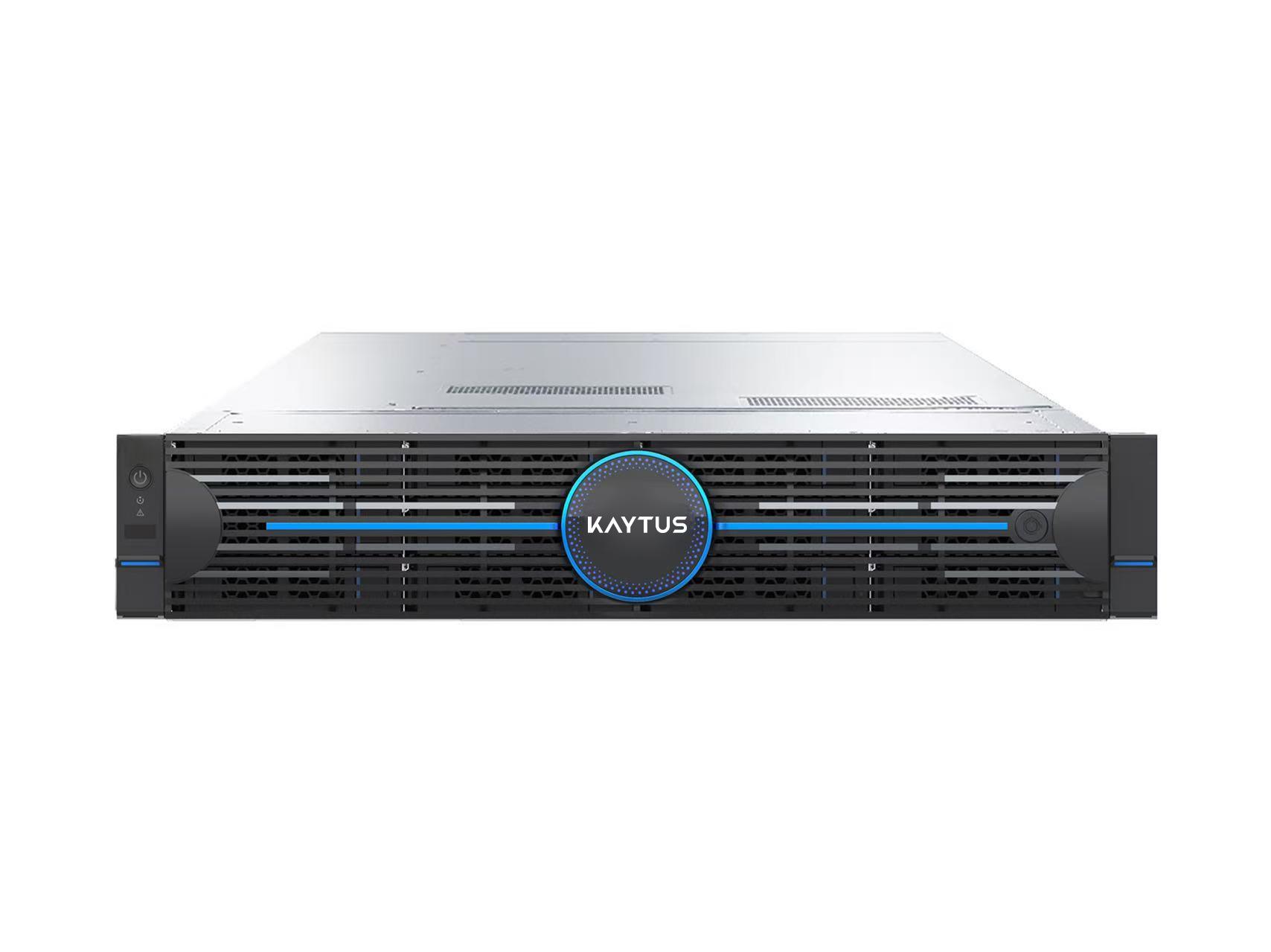
For decades, the hum of whirring fans has been the universal soundtrack of the data center. Air conditioning has been the undisputed champion of thermal management, reliably carrying heat away from servers and into the atmosphere. But as we push the boundaries of computational power, we are hitting a thermal wall. The rise of artificial intelligence, machine learning, and high-performance computing (HPC) is driving power densities to unprecedented levels. A single rack can now draw 40, 60, or even 100 kilowatts—a thermal load that traditional air cooling simply cannot handle efficiently. This is where the paradigm shifts. This is the dawn of the liquid cooling data center.
The fundamental problem is physics. Air is a poor conductor of heat. Moving vast volumes of chilled air through densely packed servers requires immense energy for fans and compressors. It’s a brute-force approach that is becoming increasingly unsustainable, both economically and environmentally. The liquid cooling data center offers a more elegant and fundamentally superior solution. Liquid, whether it’s water or a specialized dielectric fluid, can be over 1,000 times more effective at capturing and moving heat than air. This simple physical principle unlocks a new era of data center design, one defined by unparalleled density, radical efficiency, and a significantly smaller carbon footprint.
From Niche to Necessity: The Mechanics of Liquid Cooling
The concept of a liquid cooling data center isn't entirely new; it has been a niche solution for supercomputers for years. However, it is now rapidly entering the mainstream. There are primarily two approaches gaining traction:
1. Direct-to-Chip Cooling: This method involves placing a cold plate directly on top of high-heat components like CPUs and GPUs. A coolant, typically deionized water, circulates through micro-channels in the plate, absorbing heat at the source before being transported to a heat exchanger to be cooled and recirculated. This is a highly targeted and efficient method for the hottest components in a rack.
2. Immersion Cooling: This is the more radical and visually striking approach. Entire servers are submerged in a bath of dielectric fluid—a liquid that does not conduct electricity. The fluid naturally absorbs the heat generated by all components through direct contact. This method is incredibly effective, allowing for almost silent operation and the potential for extreme hardware densities that would be impossible with air.
The transition to a liquid cooling data center is not just about keeping chips from melting. The benefits are transformative. Energy consumption for cooling can be slashed by up to 90% compared to traditional air conditioning. This directly translates to a lower Power Usage Effectiveness (PUE), a key metric for data center efficiency, often bringing it remarkably close to the ideal of 1.0. Furthermore, the waste heat captured by the liquid loop is of a much higher grade and easier to repurpose, whether for heating office spaces, swimming pools, or in agricultural applications, turning a cost center into a potential revenue stream.
Embracing the Shift: The Path Forward
Adopting a liquid cooling data center model does require a shift in mindset and infrastructure. It involves new hardware designs, specialized staff training, and a re-evaluation of facility plumbing and leak detection systems. For many existing facilities, a hybrid approach—using air cooling for standard IT loads and liquid for high-density AI and HPC racks—is a practical first step. However, for new builds, especially those designed to cater to the next generation of compute-intensive workloads, designing from the ground up as a liquid cooling data center is becoming the smartest strategic choice.
The trajectory is clear. As the demand for processing power continues its exponential climb, the limitations of air will only become more pronounced. The industry is at an inflection point, moving from a one-size-fits-all air-cooled model to a more nuanced, high-performance future. The efficiency gains, density capabilities, and sustainability benefits are simply too significant to ignore. The future of high-performance computing is not in the air; it’s submerged, it’s precise, and it’s liquid. The era of the liquid cooling data center has arrived.
 Russian
 English
 Arabic
 French
 Spanish
 Portuguese
 Deutsch
 Turkish
 Dutch
Dutch
 Italiano
 Romaian
 Portuguese (Brazil)
 Greek
Greek