


Why Labeling is Important in Laboratory?
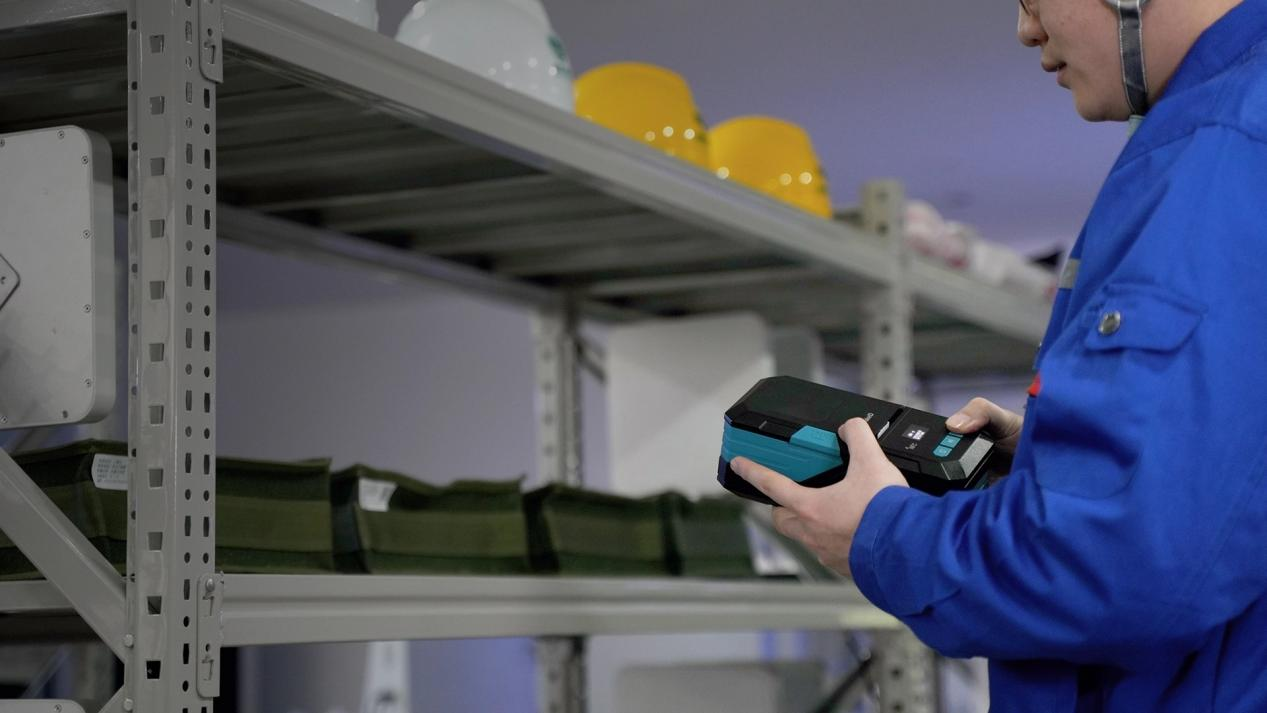
In laboratory settings—whether for research, clinical testing, or chemical analysis—labeling is far more than a “routine task.” It serves as the backbone of safety, accuracy, and compliance, preventing errors that could compromise experiments, harm personnel, or violate regulations. With the support of modern tools like label printers, lab labeling becomes more reliable and efficient, further amplifying its value. Below are the key reasons why proper labeling is non-negotiable in labs.
1. Labeling Ensures Laboratory Safety (The Top Priority)
Labs handle hazardous materials—such as toxic chemicals, biohazards (e.g., blood samples), and flammable reagents—daily. Clear labeling is the first line of defense against accidents:
- Identifies hazards instantly: Labels must include critical info like chemical names, hazard symbols (e.g., “corrosive,” “toxic”), and safety precautions (e.g., “wear gloves”). For example, a mislabeled vial of concentrated sulfuric acid could lead to severe burns if handled as a harmless solution.
- Prevents cross-contamination: In biological labs, labeling samples (e.g., “Patient X, Blood Sample, 2025-XX-XX”) avoids mixing up specimens—critical for accurate clinical diagnoses or research results.
- Aids emergency response: If a spill or exposure occurs, labeled containers let first responders quickly identify the substance and use the right cleanup/rescue protocols.
Here, a lab-grade label printer is essential: it produces smudge-proof, chemical-resistant labels (e.g., polyester or synthetic materials) that won’t fade or peel when exposed to solvents, refrigeration, or autoclaving—unlike handwritten labels that easily smudge or erase.
2. Labeling Guarantees Data Accuracy (The Foundation of Reliable Results)
Lab research and testing rely on traceability—every sample, reagent, or piece of equipment must be linked to accurate data. Poor labeling destroys this traceability:
- Avoids sample mix-ups: Imagine two unlabeled test tubes of cell cultures—mixing them would render weeks of growth experiments useless. Labels with unique identifiers (e.g., “Sample ID: C-001, Passage 5”) let researchers track each sample’s origin and history.
- Ensures reagent integrity: Reagents have expiration dates and storage requirements (e.g., “Store at 2–8°C”). Labels with this info prevent using expired chemicals (which can skew results) or storing them incorrectly (e.g., leaving a heat-sensitive enzyme at room temperature).
Label printers enhance accuracy by enabling standardized labeling: they can print pre-designed templates with fixed fields (e.g., “Reagent Name,” “Expiry Date,” “Lot Number”), eliminating errors from handwritten typos or inconsistent formatting.
3. Labeling Meets Regulatory Compliance (Non-Negotiable for Labs)
Nearly all labs—whether academic, clinical, or industrial—must follow strict regulations (e.g., FDA guidelines for medical labs, OSHA standards for chemical safety). Proper labeling is a mandatory part of compliance:
- Pass audits smoothly: Regulators often inspect label records to verify that hazardous materials are tracked and samples are handled correctly. Missing or unclear labels can lead to fines, suspended operations, or even legal action.
- Supports accountability: In clinical labs, labeled patient samples and test tubes create a paper trail that links each step (from collection to analysis) to specific personnel—critical for resolving disputes or ensuring patient safety.
Label printers help maintain compliance by generating labels with legible, consistent information that meets regulatory standards. Some advanced models even integrate with lab management software, automatically logging label data for easy audit trails.
4. Labeling Improves Workflow Efficiency (Saves Time and Reduces Waste)
Disorganized or missing labels force lab staff to waste time searching for samples or verifying reagents—time that could be spent on experiments. Proper labeling streamlines workflows:
- Speeds up sample retrieval: A labeled freezer rack with clear QR codes (printed via a label printer) lets staff scan and locate a sample in seconds, instead of rummaging through unlabeled vials.
- Reduces waste: Expired reagents or misplaced samples often have to be discarded. Labels with expiration dates and storage locations minimize this waste, cutting costs for labs.
Conclusion
Labeling is a critical pillar of laboratory operations, safeguarding safety, ensuring data accuracy, meeting compliance, and boosting efficiency. And with a high-quality lab label printer, labs can elevate their labeling process—creating durable, standardized labels that eliminate human error and align with strict lab requirements. For any lab aiming to run smoothly and reliably, investing in proper labeling practices (and the right tools to support them) is essential.
© 2025 Scenario.press - libera espressione
 French
French
 English
 Arabic
 Spanish
 Portuguese
 Deutsch
 Turkish
 Dutch
Dutch
 Italiano
 Russian
 Romaian
 Portuguese (Brazil)
 Greek
Greek