


How to Get Cotton Fabrics Lab Tested
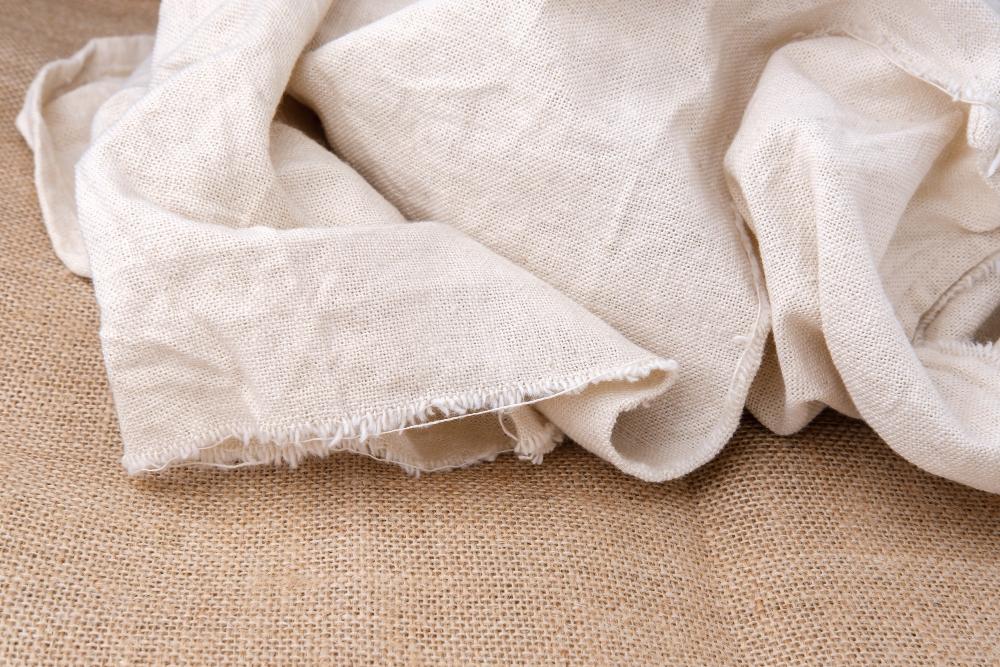
Ensuring the quality of your cotton fabric is essential for any fashion brand. Lab testing provides the necessary verification that your materials meet quality standards and regulatory requirements. This guide will walk you through the process, from understanding why testing is critical to interpreting the final report.
For businesses that buy fabric online, especially in cotton fabric wholesale quantities, lab testing is a non-negotiable step. It safeguards your brand's reputation, ensures customer satisfaction, and confirms that you are working with materials that are safe, durable, and accurately represented. This process helps you make informed decisions about your suppliers and the fabrics you use in your products.
Why Lab Testing Cotton Matters
Submitting your cotton fabric to a professional laboratory offers several key advantages. It's a fundamental part of quality control that impacts your final product and brand integrity.
- Verify Fiber Content: Testing confirms that the fabric is 100% cotton or a specific blend, preventing misrepresentation from suppliers. This is crucial for maintaining transparency with your customers.
- Detect Harmful Substances: Chemical analysis can identify the presence of restricted substances, such as certain azo dyes or heavy metals. This ensures your products are safe for consumers and comply with international regulations like REACH or CPSIA.
- Ensure Durability and Performance: Lab tests measure a fabric's physical properties, including its strength and resistance to wear. This data helps you select the right fabric for its intended use, reducing the risk of product failures and customer complaints.
- Confirm Quality Standards: Testing for aspects like colorfastness and shrinkage ensures that the fabric will perform as expected after washing and during use. This consistency is vital for building a reliable brand.
Common Tests for Cotton Fabrics
When you submit cotton fabric for testing, labs can perform a range of analyses. The specific tests you request will depend on your quality requirements and the intended application of the fabric.
Fiber Identification
This is the most basic test. It verifies the exact fiber composition of your fabric. Using microscopic analysis or chemical tests, labs can confirm if your material is pure cotton or a blend. This is the first step in quality assurance, ensuring you received what you paid for.
Strength Tests
Strength tests evaluate the durability of the fabric under stress.
- Tensile Strength: This test measures the force required to break the fabric. It indicates the material's overall strength and resistance to pulling forces.
- Tear Strength: This assesses the fabric's resistance to ripping. A higher tear strength means the material is less likely to tear during production or use.
Colorfastness Tests
These tests determine how well the fabric retains its color when exposed to different conditions.
- Colorfastness to Washing: This test simulates home laundering to see if the color bleeds or fades.
- Colorfastness to Light: This exposes the fabric to artificial light that mimics sunlight to check for fading.
- Colorfastness to Rubbing (Crocking): This measures how much color transfers from the fabric when it's rubbed against another surface, both wet and dry.
Chemical Analysis
This set of tests screens for harmful chemicals and substances. Labs check for regulated chemicals like lead, formaldehyde, and banned azo dyes to ensure the fabric is safe and compliant with legal standards in your target market.
Finding a Reputable Lab
Selecting the right testing laboratory is crucial for obtaining accurate and reliable results. When researching labs, consider the following factors:
- Accreditation: Look for labs that are accredited by recognized bodies, such as ISO/IEC 17025. Accreditation demonstrates that the lab meets high standards for technical competence and quality management.
- Experience: Choose a lab with specific experience in textile and cotton fabric testing. They will be familiar with the common tests and industry standards.
- Turnaround Time: Inquire about their standard testing times. A lab that can provide results quickly without compromising accuracy will help keep your production schedule on track.
- Customer Support: A good lab will have responsive customer service to answer your questions and guide you through the testing process.
Preparing Samples for Testing
Proper sample preparation is essential for accurate test results. Follow the lab's instructions carefully when submitting your fabric.
- Cut the Right Size: The lab will specify the required dimensions and number of samples for each test. Cutting samples that are too small may make testing impossible.
- Label Clearly: Each sample should be clearly labeled with a unique identifier, the fabric type, and the tests you want to be performed. This prevents mix-ups and ensures the correct analyses are conducted.
- Complete the Submission Form: Fill out the lab’s test request form completely and accurately. Include your contact information, the tests required, and any specific standards you need the fabric to meet.
- Package Securely: Place the samples and the submission form in a secure package to prevent damage or loss during transit.
Understanding Test Reports
Once the testing is complete, the lab will provide a detailed report. These reports can seem technical, but they are straightforward once you know what to look for.
A typical test report will include:
- Your sample information.
- The tests performed.
- The results for each test, usually in numerical values.
- The standard or method used for the test.
- A pass/fail determination, if applicable.
Review the results against your own quality specifications or the required industry standards. If a fabric fails a critical test, such as colorfastness or strength, you should address the issue with your supplier. The test report provides the objective evidence you need to request a replacement or a refund.
The Value of Testing
Incorporating lab testing into your production process is a direct investment in your brand's quality and reputation. It provides the assurance that your cotton fabric meets your standards for performance, safety, and durability. For brands that buy fabric online or source cotton fabric wholesale, this verification is an indispensable step. By taking the time to test your materials, you build trust with your customers and create products that last.
 English
 Arabic
 French
 Spanish
 Portuguese
 Deutsch
 Turkish
 Dutch
Dutch
 Italiano
 Russian
 Romaian
 Portuguese (Brazil)
 Greek
Greek