


Key Factors Influencing the Energy-saving Performance of the Automatic Door Motor Technology
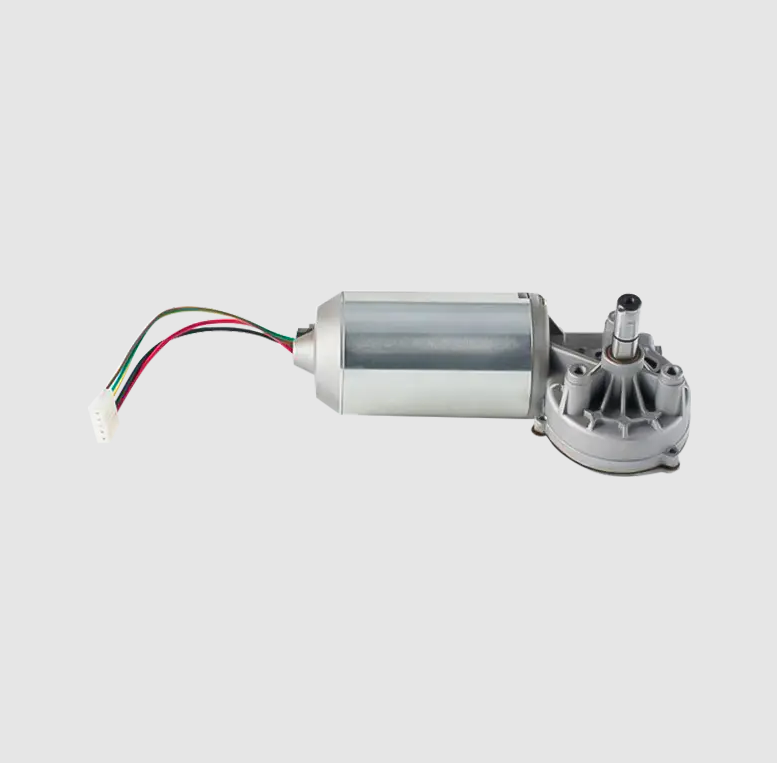
The Automatic Door Motor is a critical component in automated door systems widely used in commercial buildings, healthcare facilities, airports, and other public spaces. With increasing focus on sustainability and reducing operational costs, the energy efficiency of these motors has become a major concern for manufacturers and users alike. The energy-saving performance of an automatic door motor directly impacts not only electricity consumption but also the environmental footprint of the facility where it is installed. Understanding how these motors achieve energy efficiency and what design features contribute to it is essential for making informed decisions regarding automatic door installations.
One of the fundamental ways in which the Automatic Door Motor achieves energy efficiency is through the use of advanced motor technologies such as brushless DC (BLDC) motors or permanent magnet synchronous motors (PMSM). These types of motors operate with higher efficiency compared to traditional brushed motors, meaning they convert a greater percentage of electrical energy into mechanical energy with less loss due to heat or friction. The reduced energy loss translates into lower power consumption during door operation, which can significantly reduce electricity costs, especially in high-traffic areas where doors cycle frequently.
Another key factor contributing to the energy-saving performance of an automatic door motor is the implementation of intelligent control systems. Modern automatic door motors are equipped with microprocessors that regulate motor speed, torque, and operation time based on real-time inputs from sensors. For example, the motor can adjust the door’s opening speed depending on the number of people approaching or the ambient conditions, avoiding unnecessary full openings or prolonged running times. Such adaptive controls prevent excessive energy use and optimize the motor’s performance based on actual demand.
Energy efficiency is also enhanced by the use of standby or sleep modes in automatic door motors. When no activity is detected near the door for a certain period, the motor system can enter a low-power state, drastically reducing energy consumption. Once motion sensors detect approaching users, the motor quickly resumes normal operation. This feature is especially beneficial in buildings with fluctuating traffic throughout the day, ensuring that energy is only used when necessary.
The physical design of the door mechanism, paired with the motor, also plays a role in energy savings. Lightweight door materials and well-balanced hinges or sliding tracks reduce the mechanical load on the Automatic Door Motor, requiring less power to operate. Furthermore, efficient transmission systems such as low-friction gears or direct-drive mechanisms minimize energy loss during the transfer of motion from the motor to the door, improving overall system efficiency.
In addition to reducing operational costs, energy-efficient automatic door motors support broader environmental sustainability goals. By lowering electricity usage, these motors help reduce greenhouse gas emissions associated with power generation, contributing to greener building certifications and compliance with energy standards such as LEED (Leadership in Energy and Environmental Design). Facilities investing in energy-saving automatic door motors not only benefit economically but also improve their corporate social responsibility profile.
It is important to note that proper maintenance also affects the energy efficiency of an Automatic Door Motor. Regular inspection, lubrication, and timely replacement of worn parts ensure that the motor and door mechanism operate smoothly without unnecessary resistance or strain. Neglecting maintenance can lead to increased power consumption and premature motor failure.
In summary, the energy efficiency of an Automatic Door Motor is achieved through advanced motor technologies, intelligent controls, standby modes, optimized mechanical design, and regular maintenance. These factors combine to reduce electricity consumption and operational costs while supporting sustainable building practices. As energy efficiency standards tighten worldwide, selecting automatic door motors with proven energy-saving features becomes increasingly important for building managers and architects aiming to create eco-friendly, cost-effective environments.
Rated Voltage: 24V DC
Rated Power: 100W
Rated Speed: 200 rpm
No-load Speed: 220 rpm
Reduction Ratio: 15:1
Protection Level: IP44
Motor Noise: ≦60dB
 Portuguese (Brazil)
 English
 Arabic
 French
 Spanish
 Portuguese
 Deutsch
 Turkish
 Dutch
Dutch
 Italiano
 Russian
 Romaian
 Greek
Greek