


Understanding the Amazon Org Chart: How One of the World’s Largest Companies Is Structured
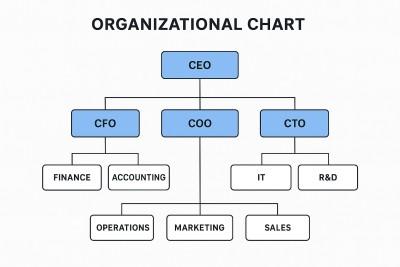
When you explore the Amazon org chart, you gain insight into how one of the world’s most influential corporations organizes its leadership, manages decision-making, and supports large-scale innovation. Amazon is far more than an e-commerce platform — its business spans cloud computing, logistics, digital streaming, AI, advertising, consumer devices, grocery retail, and more. Because of this massive scope, its organizational structure plays a critical role in how it operates effectively across global markets.
The Amazon org chart highlights reporting lines, key leadership roles, major business divisions, and the strategic hierarchy that keeps the company aligned despite rapid growth and diversification.
Why the Amazon Org Chart Matters
Understanding Amazon’s organizational structure is valuable for business analysts, leadership professionals, researchers, corporate strategists, and competitors. Here’s why it stands out:
1. Strategic Alignment
Amazon uses a structure that clearly defines:
-
who sets direction,
-
who executes strategy,
-
and how priorities move through the organization.
2. Faster Decision-Making
Clear reporting lines prevent bottlenecks and support rapid operational execution, which is essential for a company that launches, tests, and iterates constantly.
3. Scalability
The Amazon org chart is designed to expand with:
-
new product categories,
-
new regional markets,
-
technology advancements,
-
and acquisitions.
4. Governance and Accountability
With global operations, compliance and oversight are critical. Defined leadership roles enable measurable responsibility.
Core Elements of the Amazon Org Structure
Although Amazon updates and evolves its structure frequently, several components remain foundational.
Hierarchical, Function-Based Leadership
Amazon operates with a traditional hierarchy at the top level, where executives oversee major functional areas such as:
-
Amazon Web Services (AWS)
-
Worldwide Amazon Stores (Retail)
-
Finance
-
Legal Affairs and Public Policy
-
Technology and Engineering
-
Advertising and Media
-
People, Culture, and HR
At the very top of the org chart is:
Andy Jassy – President and Chief Executive Officer
Reporting beneath him are senior leaders overseeing distinct business groups, each with operational autonomy.
Business Divisional Structure
In addition to functional oversight, Amazon divides its operations by business units. Examples include:
-
AWS (cloud computing)
-
Devices and Alexa
-
Prime Video and Entertainment
-
Operations and Logistics
-
Advertising
-
Grocery and Physical Stores
This structure allows business units to adapt to their markets while maintaining alignment with central leadership.
Geographic Structuring
Amazon’s international footprint requires regional oversight. The org chart reflects:
-
North America operations leadership
-
International market leadership
-
Country or region-specific management layers
This helps Amazon comply with regulations, localize offerings, and scale global logistics.
The “S-Team” Leadership Group
Amazon’s top-level executive group collaborates directly with the CEO and shapes long-term strategy. Members typically include:
-
heads of AWS,
-
heads of retail,
-
finance executives,
-
legal leadership,
-
technology leadership,
-
operations executives.
This team is central to Amazon’s direction, culture, and pace of innovation.
Recent Shifts and Organizational Changes
Amazon frequently adjusts its org chart to reflect emerging priorities. In recent years, areas seeing restructuring include:
-
Healthcare initiatives
-
Grocery and Whole Foods integration
-
Devices and Alexa organizational alignment
-
Logistics network restructuring
-
AI and automation leadership roles
These changes demonstrate Amazon’s willingness to reorganize whenever necessary to stay competitive.
Why the Amazon Org Chart Works
Several principles make Amazon’s structure highly effective:
Clarity + Autonomy
Teams have clear reporting lines but enough independence to innovate rapidly.
Leadership Scalability
Distinct leaders for AWS, retail, and other units allow each business to grow without overwhelming central leadership.
Data-Driven Accountability
Performance metrics flow through structural reporting lines, supporting informed decision-making.
Adaptability
Amazon reorganizes when markets shift — from physical retail expansion to AI integration.
Lessons Businesses Can Learn from the Amazon Org Chart
Whether a company is small, scaling, or enterprise-level, there are practical takeaways:
✅ Define roles early to avoid confusion
✅ Organize by both function and business line if diversified
✅ Give leaders ownership tied to measurable outcomes
✅ Remain flexible enough to restructure when needed
✅ Align structure with strategic priorities, not legacy habits
Amazon Org Chart and Corporate Culture
Amazon’s structure reinforces several cultural elements:
-
high accountability,
-
rapid execution,
-
customer obsession,
-
innovation through ownership,
-
decentralization of decision authority,
-
continuous operational refinement.
The org chart directly supports these values by ensuring clear leadership expectations and empowering operational autonomy.
Who Uses Amazon Org Chart Information?
The organizational layout is useful for:
-
business analysts,
-
investors,
-
sales and partnership teams,
-
competitors,
-
job seekers,
-
academic researchers.
It helps identify decision-makers, understand reporting paths, and interpret corporate direction.
FAQ: Amazon Org Chart
1. Who is at the top of the Amazon org chart?
Andy Jassy serves as the President and CEO, leading the organization at the highest level.
2. How is Amazon’s org chart structured?
It combines a hierarchical functional structure with business divisions and regional oversight.
3. Does Amazon reorganize frequently?
Yes. The company regularly restructures units such as healthcare, devices, logistics, and grocery to align with evolving priorities.
4. Why is Amazon’s org chart considered effective?
It balances clarity and autonomy, supports scalability, uses data to drive performance, and evolves with changing market conditions.
5. Can smaller businesses learn from Amazon’s structure?
Absolutely — even small organizations benefit from clear responsibilities, scalable structure, and adaptable leadership hierarchy.
 Greek
Greek
 English
 Arabic
 French
 Spanish
 Portuguese
 Deutsch
 Turkish
 Dutch
Dutch
 Italiano
 Russian
 Romaian
 Portuguese (Brazil)