


Transform with Comprehensive Solutions For Industrial Excellence
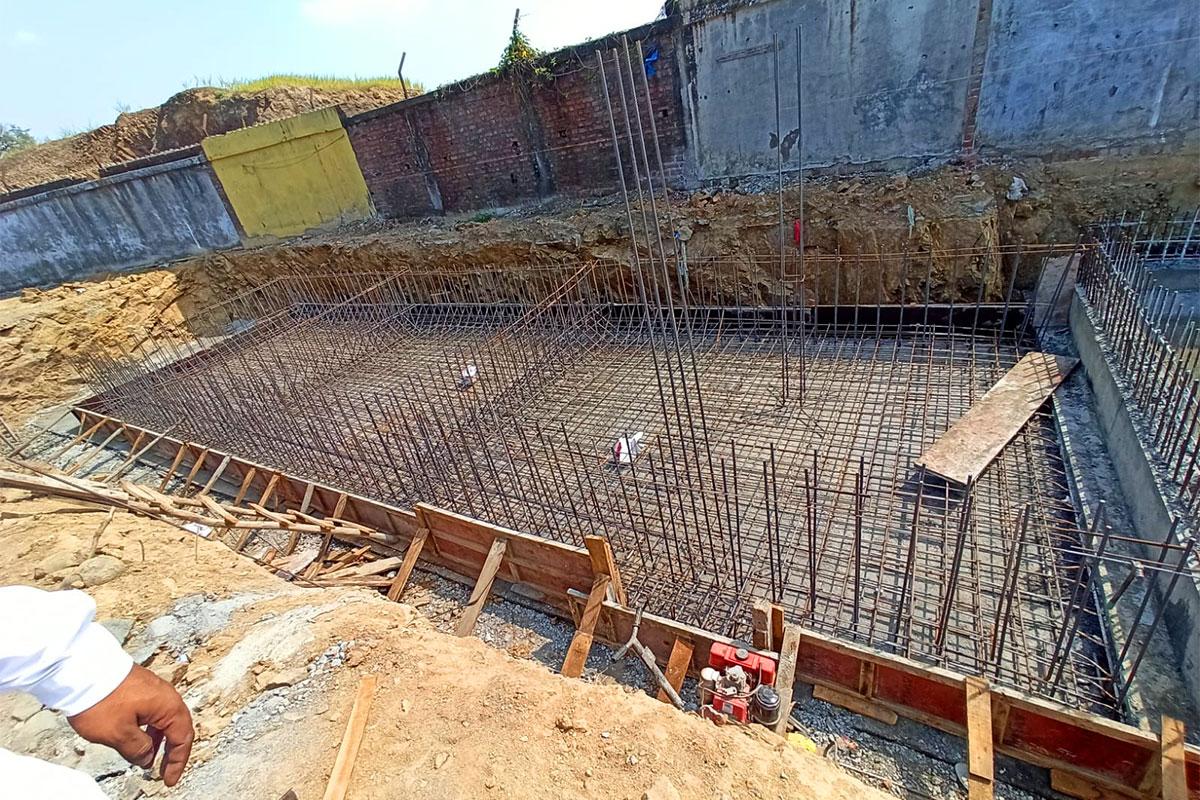
Redefining Transformation in Modern Industry
The Meaning of Industrial Transformation in Today’s Economy
Industrial construction transformation goes beyond digitalization it’s about reshaping entire business models to align with modern expectations of agility, transparency, and sustainability. The modern industrial economy demands constant innovation while maintaining precision and reliability.
Transformation is no longer optional; it’s a strategic imperative. In industries such as manufacturing, logistics, energy, and construction, technology has become the backbone of competitiveness. Yet, the most successful transformations are not just digital they are holistic, addressing people, processes, and technology together.
The key lies in creating adaptive, intelligent systems that allow industries to thrive in uncertainty. Whether through data-driven manufacturing or AI-supported logistics, transformation empowers companies to evolve continuously while maintaining their operational integrity.
How Comprehensive Solutions Drive True Industrial Excellence
Comprehensive industrial solutions bring all facets of an organization under one vision. Rather than focusing on isolated tools or software, they connect operations, supply chains, data analytics, and workforce management into one unified framework.
This interconnected approach allows industries to:
-
Gain real-time visibility across departments.
-
Automate complex processes with minimal error.
-
Make proactive decisions based on data-driven insights.
-
Enhance flexibility to respond quickly to market shifts.
By embracing comprehensive solutions, companies not only improve performance they lay the groundwork for sustained excellence, where innovation, efficiency, and responsibility coexist seamlessly.
Understanding Industrial Transformation
From Traditional Operations to Smart Manufacturing
Industries have evolved dramatically from manual, labor-intensive operations to smart, technology-driven ecosystems. The transition from traditional manufacturing to smart industries often referred to as Industry has revolutionized productivity, quality, and customization.
Smart manufacturing integrates automation, robotics, IoT devices, and artificial intelligence into a connected network. This enables real-time data collection and predictive insights that optimize every stage of production. For instance, a single IoT sensor on a machine can monitor vibrations, detect anomalies, and trigger maintenance before a failure occurs saving time and reducing costs.
This transformation represents a shift from reactive management to predictive and adaptive operations, where factories think, learn, and improve autonomously. Traditional systems operated in isolation; smart systems collaborate intelligently, unlocking levels of precision and performance once thought impossible.
H3: The Need for Integrated, Data-Driven Solutions
While many industries have adopted digital tools, few have fully integrated them. Disconnected systems often lead to inefficiencies, duplicated efforts, and data silos that obscure visibility.
Comprehensive solutions address this by integrating all systems from production and supply chain management to energy monitoring and quality control into a single digital ecosystem. This integration ensures that every decision is guided by accurate, real-time information.
Moreover, data-driven operations empower leaders to forecast demand, allocate resources efficiently, and improve customer satisfaction. Integration turns chaos into clarity, enabling a 360-degree view of industrial performance.
The Pillars of Comprehensive Industrial Solutions
Automation and Digitalization as the Foundation of Growth
At the heart of every modern industrial transformation lies automation. Automated systems eliminate human error, increase productivity, and ensure consistency creating the foundation for scalable growth.
Digitalization complements automation by converting physical operations into digital models, where data becomes the language of decision-making. Machines communicate seamlessly, while digital twins allow engineers to simulate performance and optimize outcomes before production begins.
These technologies not only boost efficiency but also promote sustainability. Automated systems reduce waste, conserve energy, and enable precision resource management—key elements of industrial excellence in the modern age.
H3: Integration, Innovation, and Intelligence in Operations
The next level of industrial success lies in the synergy of integration and intelligence. Integration connects every operational layer design, production, logistics, and customer engagement while innovation introduces new tools and methodologies that redefine productivity.
Intelligence comes from analyzing and acting upon the vast data generated by these connected systems. Through machine learning and AI, industries can now predict demand trends, identify inefficiencies, and fine-tune processes in real time.
This triad integration, innovation, and intelligence is the formula that allows industries to transform continuously, staying agile and relevant in an unpredictable market.
 English
 Arabic
 French
 Spanish
 Portuguese
 Deutsch
 Turkish
 Dutch
Dutch
 Italiano
 Russian
 Romaian
 Portuguese (Brazil)
 Greek
Greek