


Wearable Tech for Workforce Safety: Merging Health Data with HR Insights
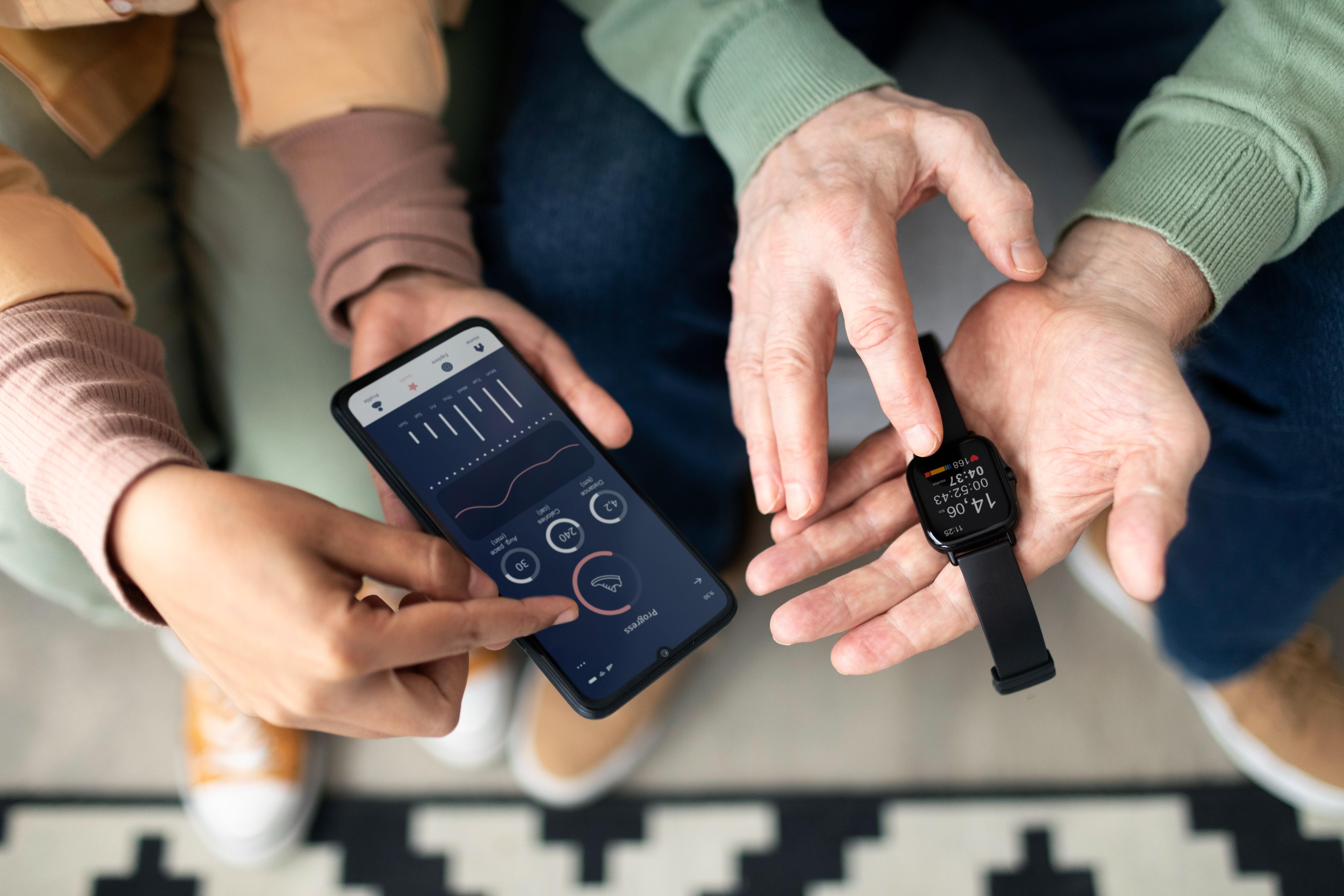
As workplaces evolve, safety isn’t just about helmets and hard hats—it’s increasingly about data, health metrics, and predictive insights. Wearable technology is becoming a powerful component in modern HR tech stacks, allowing organizations to monitor health, reduce risk, improve ergonomics, and proactively prevent injuries. When health data from wearables is merged with HR insights, companies can move from reaction to prevention, building safer, more resilient workforces.
What Wearable Tech Brings to Workplace Safety
Wearables encompass devices like smart watches, fitness trackers, smart belts, exoskeletons, smart helmets, motion sensors, posture monitors, and environmental sensors. These devices can capture physiological signals (heart rate, fatigue, temperature), movement patterns (bending, lifting, posture), and environmental data (heat, air quality, noise). Together, they allow organizations to assess risk in real time and identify unsafe trends before they result in injury.
How Health Data + HR Insights Improve Safety
When HR merges wearable data with workforce information (roles, shift schedules, past injury history, training records), the result is a richer, more actionable safety strategy:
-
Early Detection of Risk: For example, detecting fatigue or poor posture through wearables lets HR or safety teams intervene with adjustments in workload or targeted ergonomics training.
-
Preventing Musculoskeletal Disorders (MSDs): Wearables that monitor repetitive motion or awkward postures can trigger alerts. Organizations can then remediate by adjusting workflows, providing assistive devices, or implementing rest breaks.
-
Real-Time Environmental Alerts: Heat, humidity, noise or air quality sensors built into or used alongside wearables can warn of dangerous workplace conditions, enabling immediate remedial action.
-
Behavioral Coaching & Feedback: Devices can provide haptic feedback (vibration alerts) when someone is lifting incorrectly or adopts a risky posture, prompting immediate correction and promoting safer habits over time.
Benefits for Organizations & Employees
-
Reduced Injuries & Costs: Fewer work-related injuries mean lower medical, compensation, and downtime costs. Early interventions save big.
-
Stronger Safety Culture: With transparent measurement and feedback, employees feel cared for and safer. Trust improves when safety isn’t just enforced but supported by health data and HR policies.
-
Data-Driven HR Decisions: HR can use insights from wearable data merged with performance, attendance, and training records to identify roles or teams at risk, schedule work better, plan preventative training, and evaluate safety protocols.
-
Improved Employee Well-Being: Monitoring fatigue, stress, or environmental stressors supports holistic well-being—not just avoiding accidents but promoting health and productivity.
Challenges & Ethical Considerations
Despite the promise, implementing wearable tech responsibly has several challenges:
-
Privacy, Consent & Transparency: Employees need to know what data is collected, how it’s used, who sees it, and what choices they have. Programs should be voluntary and clear about data ownership.
-
Data Security & Ethical Use: Health data is sensitive; strong encryption, secure storage, limited access, and audit trails are essential. Use must avoid bias or unfair treatment.
-
Accuracy & False Positives: Wearable sensors and algorithms aren’t perfect. False alerts or misreadings can cause unnecessary disruption or mistrust. Calibration, testing, and quality checks are necessary.
-
Balancing Monitoring with Employee Trust: Too much monitoring can feel invasive. It’s important to frame wearable safety data as supportive rather than punitive.
Best Practices for Implementing Wearable Safety Tech
To deploy wearable safety programs effectively, organizations should:
-
Pilot Small & Gather Feedback: Start with one team or role, test the wearables, evaluate data quality, usage, and employee comfort.
-
Integrate with HR & Safety Systems: Link wearable metrics with existing HR platforms (training, performance, attendance) so insights can inform policy, scheduling, etc.
-
Design with the Employee in Mind: Ensure devices are comfortable, non-intrusive, usable; provide clear communication about how data helps them.
-
Establish Governance & Ethics Rules: Define data privacy policies, data ownership, who has access, what triggers alerts, how decisions are made.
-
Use Analytics to Identify Trends, Not Micromanage: Focus on leading indicators (fatigue, posture, environmental risk) rather than constant tracking of individuals. Use dashboards to empower safety teams and HR to make meaningful interventions.
The Future of Wearable Safety in HR
Looking forward, wearable safety tech will continue to improve with innovation in sensors, AI-driven predictive modeling, integration with learning platforms, and more. Advanced wearables may detect emotional states, stress levels, or even environmental hazards invisibly. HR will increasingly merge health insights with talent analytics, enabling preventive scheduling (lowering workload when risk is high), dynamic safety feedback, and more personalized well-being support.
Contact us
https://hrtechnologyinsights.com/contact?utm_source=akbar&utm_medium=blog
Related New
https://hrtechnologyinsights.com/news/visualvault-enhances-hr-content-management-for-compliance
https://hrtechnologyinsights.com/news/hershey-appoints-new-chro-natalie-rothman
 Greek
Greek
 English
 Arabic
 French
 Spanish
 Portuguese
 Deutsch
 Turkish
 Dutch
Dutch
 Italiano
 Russian
 Romaian
 Portuguese (Brazil)