


Wearable Technology in HR: Tracking Well-Being and Productivity
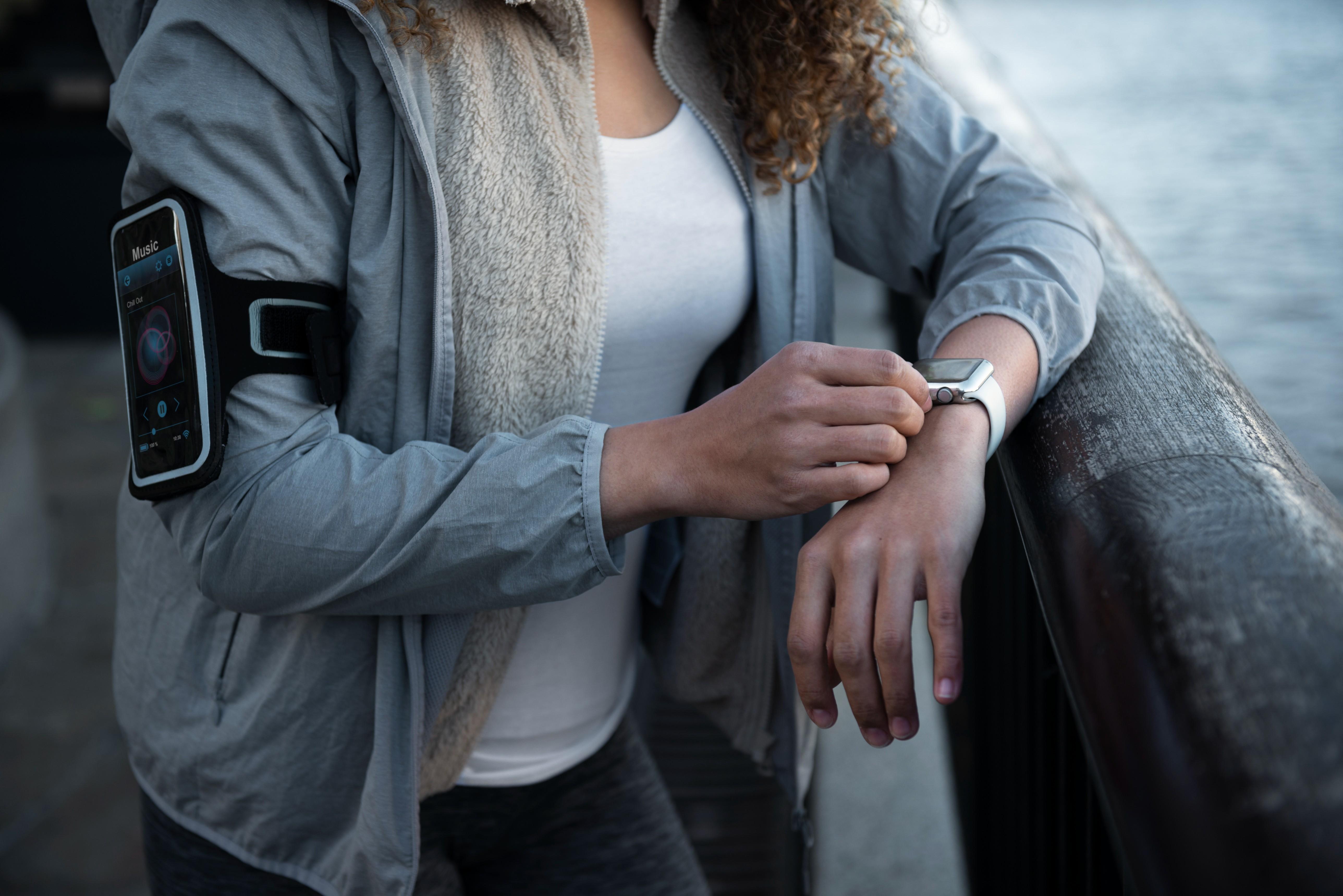
The workplace has changed dramatically in the past decade, and technology has played a central role in shaping this transformation. Among the latest innovations influencing the world of work is wearable technology—devices like smartwatches, fitness trackers, and smart badges that can monitor health, activity, and even workplace interactions. For HR leaders, wearables are opening new opportunities to improve both employee well-being and organizational productivity.
The Rise of Wearables in the Workplace
Wearable devices are no longer just consumer gadgets. They are increasingly being integrated into HR strategies to promote wellness, track performance, and provide real-time insights into employee engagement. According to industry reports, the global workplace wearable technology market is expected to grow rapidly as organizations seek innovative tools to support workforce management.
From health monitoring to time tracking, wearables are helping HR professionals move beyond traditional approaches, enabling data-driven decisions that balance productivity with employee care.
How Wearable Technology Supports Employee Well-Being
Employee well-being has become a top priority, especially in hybrid and high-pressure work environments. Wearables offer HR a practical way to support this goal.
-
Health and Fitness Monitoring
Devices like fitness trackers can monitor heart rate, activity levels, sleep patterns, and stress indicators. By encouraging employees to track their health, organizations can promote healthier lifestyles and prevent burnout. -
Stress Management
Some wearables can detect elevated stress levels and suggest relaxation techniques such as breathing exercises. This proactive approach helps employees manage their mental health before stress becomes overwhelming. -
Workplace Safety
In industries like manufacturing or logistics, wearable devices can monitor environmental factors such as heat exposure, physical strain, or fatigue, helping HR ensure safer working conditions.
Driving Productivity with Wearable Technology
While well-being is central, wearables also enhance productivity by offering insights into how employees work and engage with their tasks.
-
Time and Task Tracking
Smart badges or devices can track time spent on tasks, meetings, or breaks. This data helps managers identify workflow bottlenecks and optimize schedules. -
Boosting Engagement
Some organizations use gamification with wearables—such as rewarding employees for reaching activity goals—which not only promotes wellness but also boosts motivation and morale. -
Collaboration Insights
Advanced wearables can analyze patterns of interaction and collaboration, providing HR with valuable data on team dynamics and communication effectiveness.
Benefits of Wearable Technology in HR
-
Holistic View of Workforce Health: Combines physical, mental, and productivity data to create a comprehensive picture of employee well-being.
-
Proactive Intervention: Early detection of burnout, fatigue, or safety risks allows HR to step in before issues escalate.
-
Higher Engagement and Retention: Employees who feel supported in their health and productivity are more likely to stay committed to the organization.
-
Informed Decision-Making: Data collected from wearables empowers HR leaders to design better policies and wellness initiatives.
Challenges to Consider
Despite the benefits, HR leaders must address potential challenges:
-
Privacy Concerns: Employees may be wary of sharing personal health data. Clear communication and data security policies are essential.
-
Voluntary Participation: Wearable programs should remain optional to avoid resistance or perceptions of surveillance.
-
Integration with HR Systems: To maximize value, wearable data must be integrated seamlessly with existing HR technologies and analytics platforms.
The Future of Wearables in HR
As wearable technology evolves, its role in HR will expand. Future devices may include AI-powered features that provide predictive insights into employee health and productivity. For example, wearables could warn managers of potential burnout risks or suggest personalized wellness plans for employees.
Ultimately, the goal is not just about tracking, but about creating a workplace culture that values health, balance, and performance. By leveraging wearable technology responsibly, HR leaders can build organizations where employees thrive both personally and professionally.
Contact us
|
https://hrtechnologyinsights.com/news/visualvault-enhances-hr-content-management-for-compliance |
|
https://hrtechnologyinsights.com/news/hershey-appoints-new-chro-natalie-rothman |
 English
 Arabic
 French
 Spanish
 Portuguese
 Deutsch
 Turkish
 Dutch
Dutch
 Italiano
 Russian
 Romaian
 Portuguese (Brazil)
 Greek
Greek