


Innovations in Aerospace Flow Lines for Next-Gen Aircraft
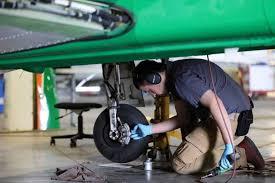
If there’s one thing driving the future of aircraft production, it’s aerospace flow lines. As the demand for faster, safer, and more efficient aircraft increases, manufacturers are turning to smarter production lines to meet the challenge. These aren’t your traditional assembly setups—today’s flow lines are dynamic, data-driven, and built for the demands of next-gen aerospace technology.
👉 Explore how modern Aerospace Flow Lines are transforming the production floor into a hub of precision and innovation.
What Are Aerospace Flow Lines?
In the simplest terms, aerospace flow lines are highly specialized assembly lines tailored to aircraft manufacturing. But unlike static production setups, flow lines are built to keep things moving—literally and efficiently. Components, tools, and technicians move together in sync, ensuring a streamlined, step-by-step approach to building complex aircraft structures.
Think of it like a high-tech orchestra, where each instrument plays its part in perfect timing to build the final masterpiece—your next commercial jet or defense aircraft.
Why Flow Lines Matter in Aerospace
Let’s face it—aircraft manufacturing isn’t just about bolting parts together. It’s about meeting strict tolerances, maintaining quality at every turn, and sticking to demanding timelines. Aerospace flow lines help achieve all that by:
-
Reducing production time
-
Minimizing manual handling
-
Increasing precision through automation
-
Supporting real-time quality control
With flow lines, manufacturers can meet modern aerospace demands without compromising on quality or safety.
1. The Shift to Modular Assembly
Traditional aerospace assembly relied on large, fixed stations. Today, we’re seeing a shift toward modular flow lines that allow sections of the aircraft—like fuselages, wings, or tail units—to be built independently and then integrated seamlessly.
This modular approach boosts flexibility and allows production teams to work on multiple parts simultaneously, cutting down on bottlenecks.
2. Automation Takes Center Stage
One of the biggest game-changers in flow lines is automation. From robotic arms that rivet fuselage panels to autonomous vehicles that transport parts between stations, automation is doing the heavy lifting.
Automated guided vehicles (AGVs), robotic drilling systems, and laser measurement tools are now integral to modern aerospace flow lines. These systems boost speed and consistency while reducing human error.
3. Digital Twins and Smart Monitoring
Imagine having a virtual replica of your entire production line. That’s the power of digital twins. By creating a real-time digital mirror of your aerospace flow lines, manufacturers can monitor, predict, and optimize every stage of assembly.
Sensors, IoT devices, and data analytics feed into the twin to give insights on performance, machine health, and production quality. It’s smarter manufacturing at its finest.
4. Lean Manufacturing Principles in Action
The aerospace industry has embraced lean principles—and flow lines are a key part of making that possible. By organizing tools, parts, and people in a continuous flow, companies can eliminate waste, reduce downtime, and improve cycle times.
Even simple changes—like adjusting tool placements or refining workflows—can have a massive impact on output when applied across a flow line.
5. Customization Without Compromise
Next-gen aircraft often require high levels of customization. Whether it’s for military spec, cargo design, or passenger comfort, flow lines must be flexible enough to adapt without slowing production.
Thanks to programmable tooling, adjustable jigs, and digital integration, modern flow lines can switch between builds without losing efficiency. That’s a huge plus in an industry where one size definitely does not fit all.
6. Enhanced Safety and Ergonomics
Aircraft components are big, heavy, and not exactly easy to maneuver. Aerospace flow lines now include ergonomic enhancements and safety features like adjustable platforms, collaborative robots (cobots), and real-time hazard detection systems.
These innovations protect workers and reduce fatigue—key factors in maintaining quality and consistency throughout production.
Looking to incorporate smart flow line systems into your facility? Learn how aerospace flow lines can be customized for your production needs and safety goals.
7. Real-Time Quality Control
In aerospace, quality is non-negotiable. Flow lines are now integrated with advanced inspection systems—think laser scanning, vision systems, and AI-driven defect detection. These tools catch flaws early, long before they reach the final assembly or customer.
Real-time data collection also means that quality trends can be tracked across time, helping engineers make informed improvements.
8. Shortening Time-to-Market
Speed matters. With the rising demand for commercial and defense aircraft, reducing production cycles is crucial. Aerospace flow lines help cut down the time between concept and delivery by enabling faster, more consistent workflows.
Modular production, automated tasks, and digital integration all play a role in bringing aircraft to market faster than ever.
9. Sustainability in Aerospace Flow Lines
Going green isn’t optional anymore—it’s expected. Innovations in aerospace flow lines now include energy-efficient systems, reduced material waste, and sustainable manufacturing practices.
Using predictive maintenance tools, companies can also extend machine life and reduce downtime, further contributing to environmental and financial sustainability.
10. The Future: AI and Fully Autonomous Flow Lines
Where are we headed next? AI and machine learning are on the horizon for aerospace production. Future flow lines could be self-optimizing, adjusting speeds, sequences, and tools automatically based on real-time performance data.
Combined with advanced robotics and intelligent logistics, we’re looking at a future where fully autonomous flow lines aren’t just possible—they’re inevitable.
Final Thoughts: Elevating Aerospace with Flow Line Innovation
The aerospace industry is evolving at lightning speed, and flow lines are leading the charge. By embracing automation, digitalization, and lean principles, manufacturers are producing safer, smarter, and more efficient aircraft.
Whether you're building the next-gen fighter jet or a fuel-efficient passenger plane, aerospace flow lines are the backbone of modern production—and the gateway to future innovation.
 Italiano
 English
 Arabic
 French
 Spanish
 Portuguese
 Deutsch
 Turkish
 Dutch
Dutch
 Russian
 Romaian
 Portuguese (Brazil)
 Greek
Greek